Is Bali Worth Visiting? Why I Have Mixed Feelings About Bali
Disclosure: This post may contain affiliate links. If you choose to make a purchase through these links, I may earn a small commission at no extra cost to you. I only share products and experiences I personally use or genuinely recommend. You can read my full disclosure here.
Before visiting Indonesia, Bali was obviously one of the places I was most familiar with.
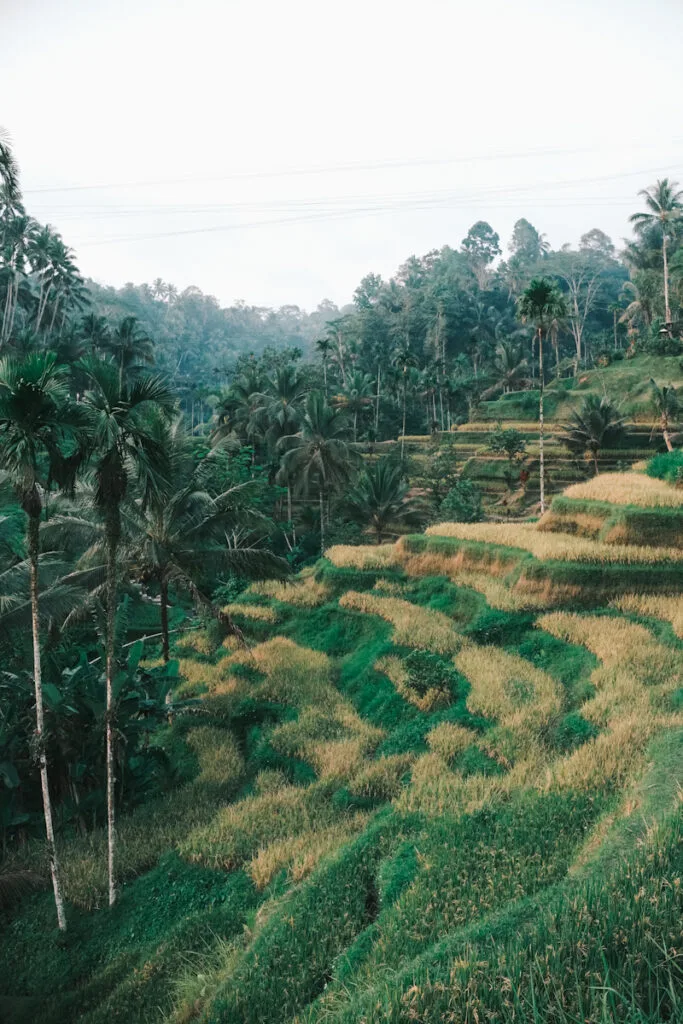
I had seen the photos of the rice terraces, jungle villas, temples, smoothie bowls, yoga studios, and perfectly designed cafés more times than I could count. Bali has become one of the destinations in Southeast Asia, especially if you’re into wellness, digital nomad life, or basically anything that looks good on Instagram.
But after spending three weeks traveling through Indonesia, Bali ended up being one of the places I had the most complicated feelings about.
And, if I’m being completely transparent, Bali was not one of my favorite places I’ve ever traveled.
That doesn’t mean I hated Bali. I didn’t.
There are things about Bali that I think are genuinely exceptional.
The architecture is beautiful. Balinese Hindu culture is unlike anything I experienced elsewhere in Indonesia. The wellness experiences are next level. And, most importantly, I met some truly wonderful people.
But there was also a feeling I couldn’t shake while I was there.
I had this pit in my stomach that, as a tourist, I was contributing to the exact thing that was making Bali feel so different from the rest of Indonesia.
Overtourism.
So, is Bali worth visiting?
I actually still think it is.
But I also think how you visit Bali matters tremendously.
Is Bali Worth Visiting? The Short Answer
Yes, I think Bali is worth visiting, but I have very mixed feelings about recommending it. Okay, maybe this isn’t a short answer…
Bali offers beautiful architecture, fascinating Balinese Hindu traditions, incredible wellness experiences, stunning landscapes, and some of the warmest people. There is a reason travelers have been drawn to this island for decades.
At the same time, overtourism has dramatically changed parts of Bali. Some of the areas I visited felt so built around tourists, expats, and digital nomads that I sometimes had a hard time connecting with the culture I had traveled so far to experience.
And that’s important to me.
I’m the type of traveler who really believes that people make a destination.
I want to learn about the culture. I want to talk to the people who live there. I want to understand how life differs from mine. Some of my favorite travel memories have nothing to do with a landmark and everything to do with a conversation I had with someone along the way.
That was actually one of my favorite things about traveling through Indonesia.
Every island felt a little different.
And that is also one of the biggest reasons I still believe Bali is worth experiencing.
Bali Wasn’t One of My Favorite Places in Indonesia
This feels almost sacrilegious to say on a travel blog, but here we are.
I didn’t fall in love with Bali.
I liked parts of it. I’m very glad I went. And I would actually like to return someday and experience it differently.
But when I think about my three weeks in Indonesia, Bali isn’t what immediately comes to mind.
I think about standing in front of Tumpak Sewu trying to comprehend how something that massive could even exist.
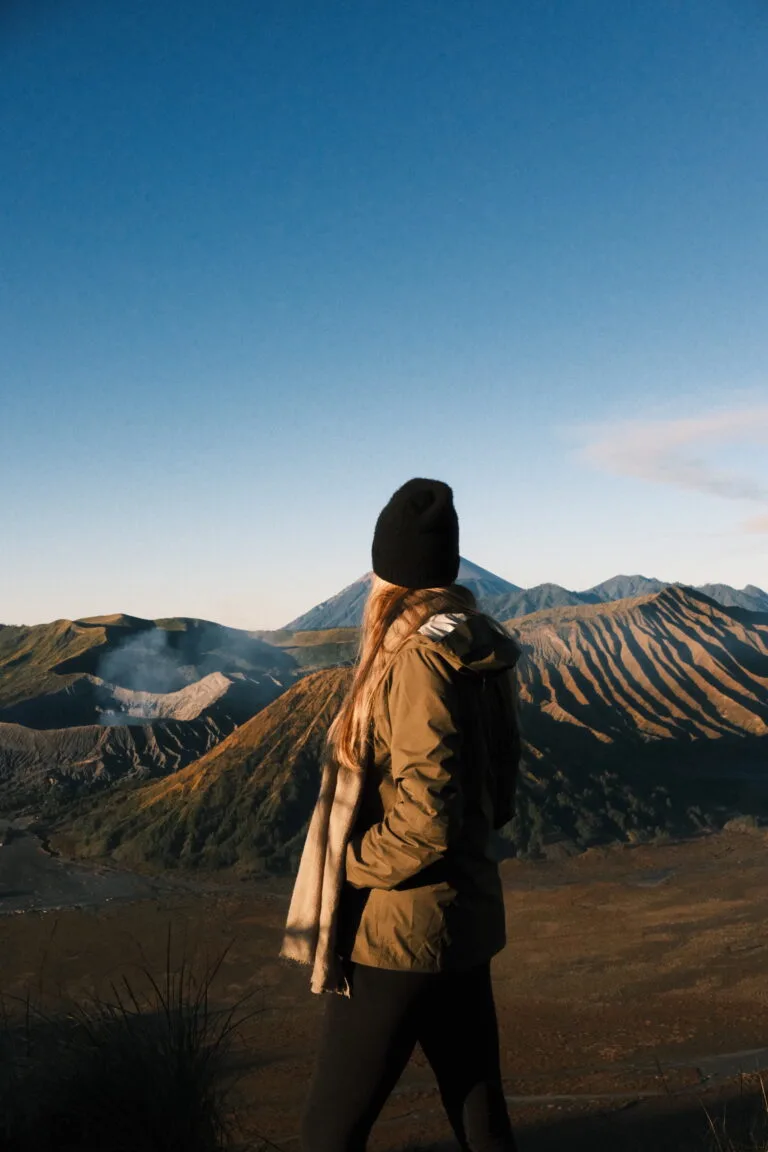
I think about waking up in the middle of the night to watch the sunrise over Mount Bromo.
I think about hiking Ijen.
I think about boating through the islands surrounding Komodo.
And I think about the people I met along the way.
East Java especially completely blew me away.
(If you want to see how I combined all of those experiences, you can read my 3 weeks in Indonesia itinerary for the full route.)
There were landscapes unlike anything I had ever seen, but what I loved just as much was experiencing everyday life there. Things weren’t necessarily built around what would be most convenient or familiar to me as a Western traveler.
I was the visitor.
And I like feeling like the visitor when I travel.
By the time I reached Bali, the difference was noticeable.
One of the Best Things About Indonesia Is How Much the Culture Changes
I think one of the biggest mistakes we make when talking about Indonesia is almost using “Bali” and “Indonesia” interchangeably.
They aren’t the same thing.
Indonesia is enormous. Like over 17,000 islands enormous.
Traveling between islands genuinely felt like entering a slightly different world each time.
Religious traditions changed. Architecture changed. Landscapes changed. Food changed. The overall feeling changed.
Bali was no exception.
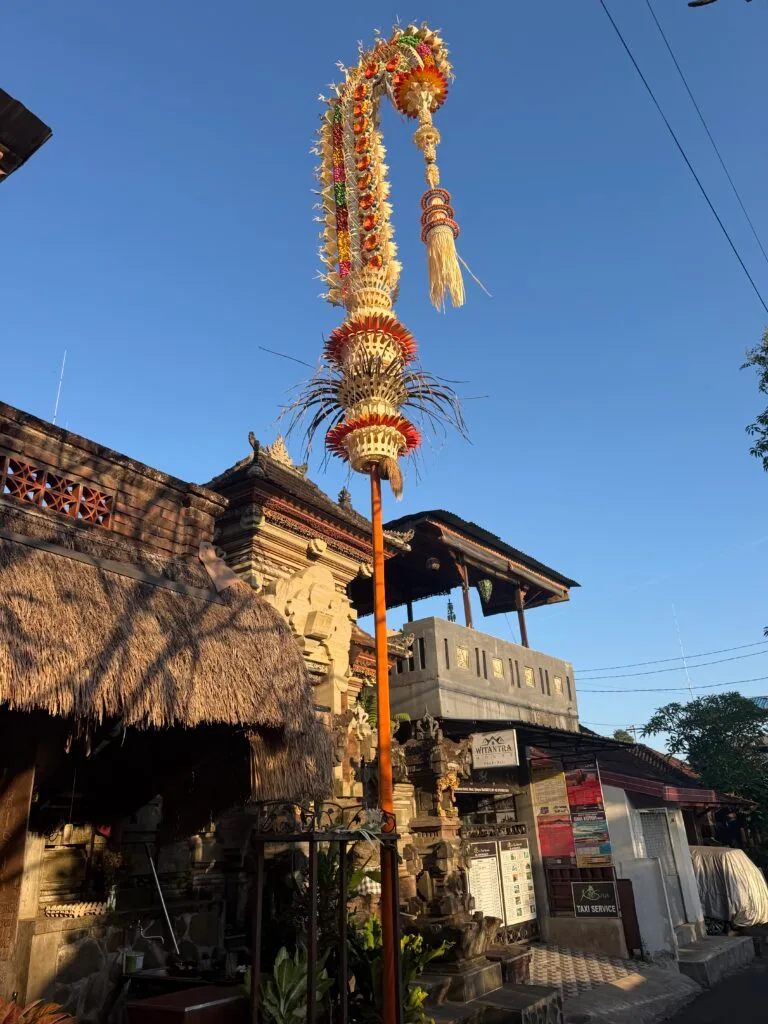
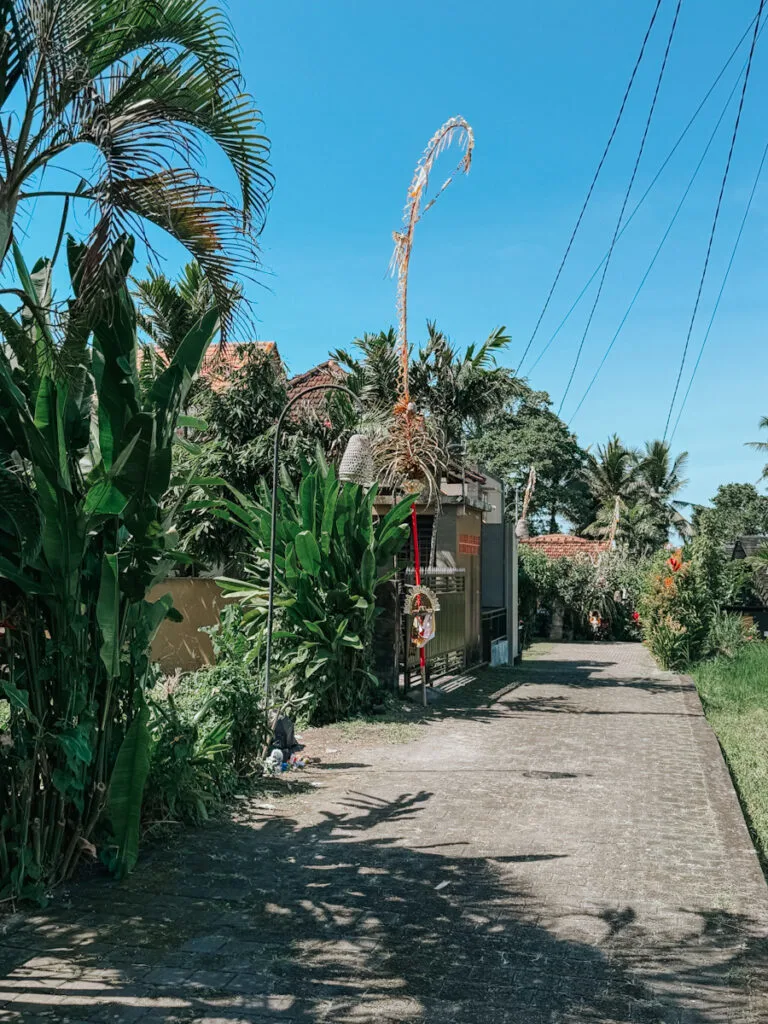
Balinese Hinduism is woven into everyday life in a way I had never experienced before. You’ll see offerings outside homes and businesses, temples throughout communities, incredible carved gates, shrines, ceremonies, and religious traditions happening alongside everyday life.
The architecture alone made Bali worth experiencing for me.
There were so many times when I would be riding through an area and just stare at the entrances to people’s homes.
They’re incredible.
And that’s something I want to make very clear when talking about overtourism in Bali:
Balinese culture has not disappeared.
Balinese people are very clearly preserving and practicing their traditions.
What bothered me was that in some heavily touristed areas, it sometimes felt like the tourism industry had grown so large around that culture that you had to intentionally look beyond it to really experience the place you had come to visit.
The Problem Wasn’t Bali. It Was What Tourism Has Done to Parts of Bali.
This is where my feelings get complicated.
Because I’m a tourist.
I can’t sit here from my travel blog criticizing tourists in Bali as though I wasn’t one of them.
I was contributing to traffic.
I was staying in accommodations built for travelers.
I was eating at restaurants.
I was doing activities.
I had traveled halfway across the world because I wanted to experience this beautiful island, just like millions of other people.
But it was impossible for me not to notice how much certain parts of Bali seemed to revolve around foreigners.
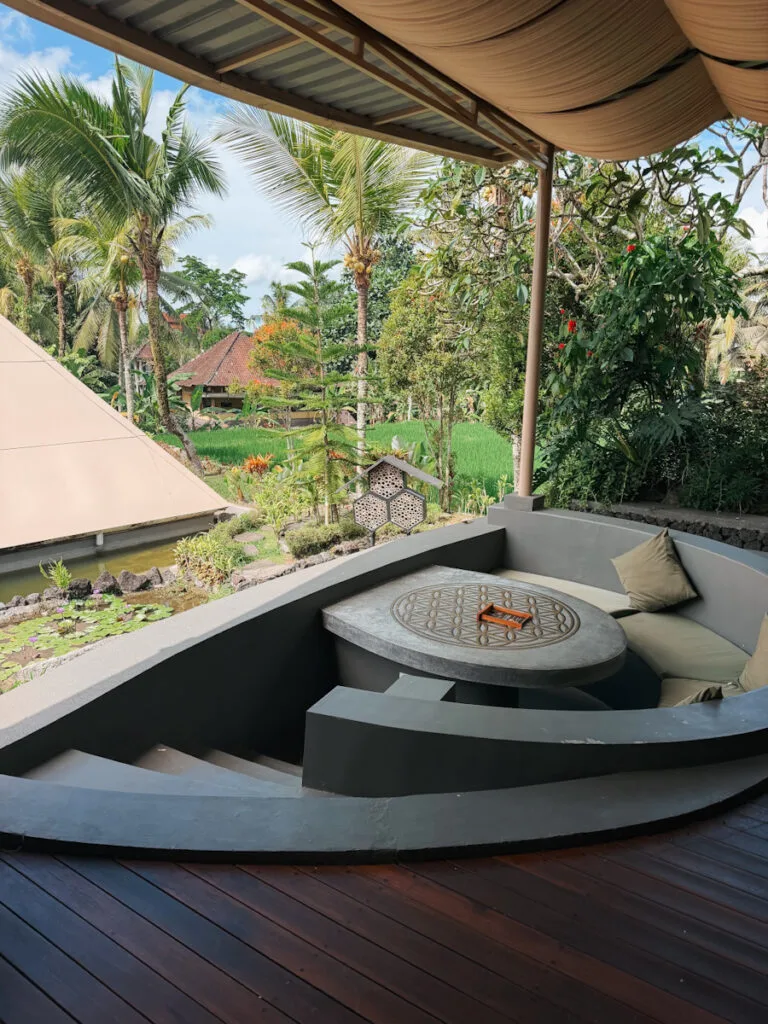
There are cafés that could easily exist in Los Angeles, Sydney, or Miami. Villas are constantly being constructed. There are coworking spaces, Western restaurants, gyms, beach clubs, wellness centers, and entire communities largely designed around people who aren’t from Bali.
And again, none of those things are inherently bad.
I love a beautiful café.
Give me a massage, a smoothie bowl, and a pretty hotel and I will happily participate.
But there were moments when I found myself wondering:
At what point does a destination stop adapting to tourism and start being redesigned for tourists?
That’s where I struggled.
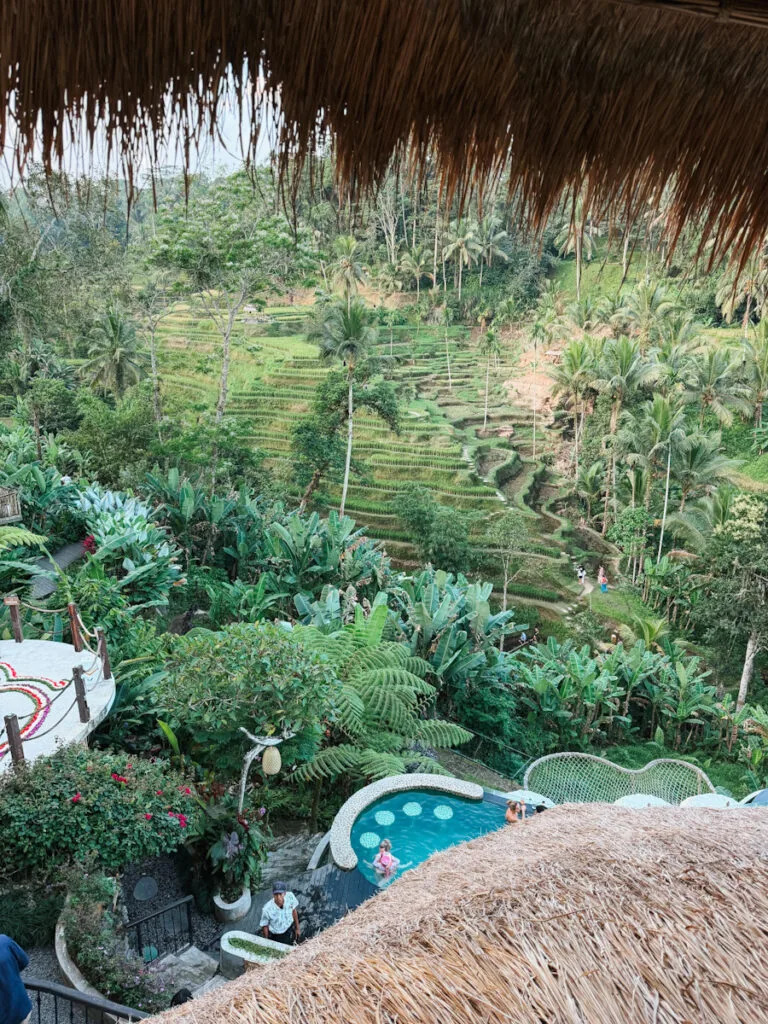
The Conversations I Had With Balinese People Changed How I Saw It
Some of the most meaningful parts of my time in Bali came from simply talking to people.
And I don’t mean having a two-minute conversation with someone and deciding I understand an incredibly complex issue.
I had conversations with locals that lasted a long time—some for hours.
What stood out to me was how nuanced their feelings about tourism were.
The people I spoke with weren’t telling me that they wanted tourists to leave Bali.
Quite the opposite.
Several talked about being incredibly grateful for tourism and the opportunities it has created. Tourism supports jobs, restaurants, hotels, guides, drivers, shops, families, and so many other parts of the Balinese economy.
They wanted people to experience Bali.
But I also heard frustration.
Traffic has become overwhelming.
Things have become more expensive.
Development continues.
And there was this sense from some of the people I talked to that areas that were once communities for the people living there increasingly feel like they’re being developed around the people coming in. To quote one of the locals I talked with, “I love tourists but I think it’s too much now.”
That stuck with me.
Because there’s a big difference between traveling somewhere and expecting that place to change itself for you.
Affordable to Us Doesn’t Mean Affordable to the People Who Live There
This is probably one of the parts of Bali’s tourism boom that bothers me the most.
You hear people talk about Bali constantly in terms of how cheap it is.
“You can get this incredible villa for only…”
“Imagine what this would cost back home!”
“You can live like a king for…”
And yes, Bali can be incredibly affordable when you’re arriving with a Western salary.
But something being affordable to you doesn’t mean it’s affordable to the people who actually live there.
That’s an important distinction.
There’s something that doesn’t sit right with me about moving into a place primarily because your foreign income allows you to have a lifestyle you couldn’t afford at home—and then helping transform that place around the wants of other foreigners doing exactly the same thing.
Especially when local people then have to compete with that spending power.
I don’t think the answer is that foreigners can never live in Bali or open a business there.
That’s way too simplistic.
But I do think there needs to be considerably more awareness of the community you’re entering.
Are you contributing to it?
Are you learning about the culture?
Are you supporting people who live there?
Are you creating something that benefits the community too?
Or are you essentially recreating your life back home somewhere that happens to be cheaper and prettier?
Those are questions I found myself thinking about a lot while I was there.
I Couldn’t Shake the Feeling That I Was Part of the Problem
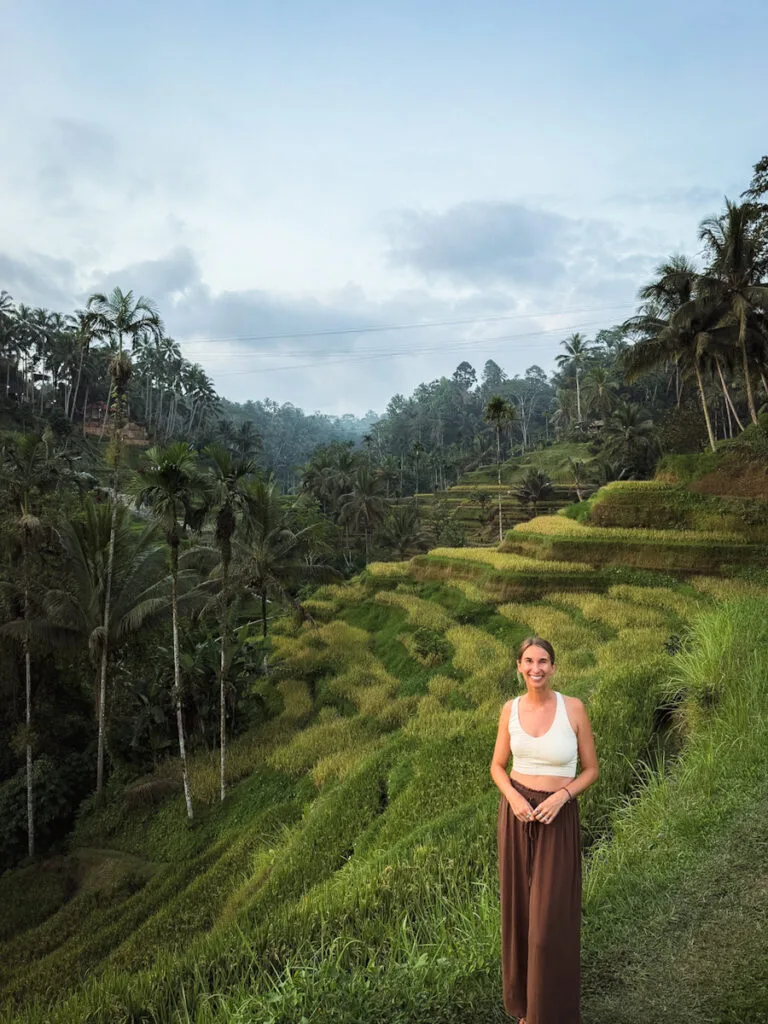
This was probably the strangest part of my Bali experience.
Sometimes I would be sitting somewhere objectively beautiful and still have this little pit in my stomach.
Because I was enjoying exactly what I was criticizing.
I’m a travel blogger.
I encourage people to travel.
I write itineraries that help people discover the same beautiful destinations that I’ve been lucky enough to experience.
So where does that leave me when tourism itself starts negatively affecting those destinations?
I don’t have a perfect answer.
I don’t think the solution is to stop traveling.
And from the conversations I had, I certainly don’t think the message from Balinese people is simply, “Don’t come.”
But I do think we have a responsibility to think about what kind of tourism we’re participating in.
Travel shouldn’t be about finding somewhere beautiful and inexpensive and then asking it to become more like home.
To me, travel is almost the opposite.
I want a place to challenge me a little.
I want things to be different.
I want to understand why people do things the way they do.
I want to eat something I wouldn’t normally order.
I want to sit and talk with someone whose life looks completely different from mine.
I don’t want the entire world to eventually become the same collection of trendy cafés, luxury villas, coworking spaces, and wellness studios because that’s what tourists are comfortable with.
The Bali Run Club Controversy Felt Like We’d Lost the Plot
After my trip, I saw the controversy surrounding a foreign-run running community in Bali after Indonesian applicants reported being rejected while foreigners were accepted.
The organizers later said an automated approval process had incorrectly rejected some Indonesian phone numbers and apologized. Indonesian participants had attended its events, so I don’t think it’s fair to simplify what happened into “a run club banned all Balinese people.”
But the entire controversy still struck a nerve with me.
It felt like an extreme version of something I had already been thinking about during my trip:
How do you move to another person’s country, build a community there, and somehow allow the people whose home it is to feel like outsiders?
Whether the rejection was intentional or the result of the system the organizers created, the fact that it could happen at all felt wildly backwards.
People come to Bali because they love what Bali offers.
The landscapes.
The lifestyle.
The affordability.
The weather.
The people.
The culture.
And somewhere along the way, I worry that some people have started loving the idea of Bali without actually wanting to participate in Bali itself.
That is where I think we’ve lost the plot.
So…Do I Think Bali Is Overrated?
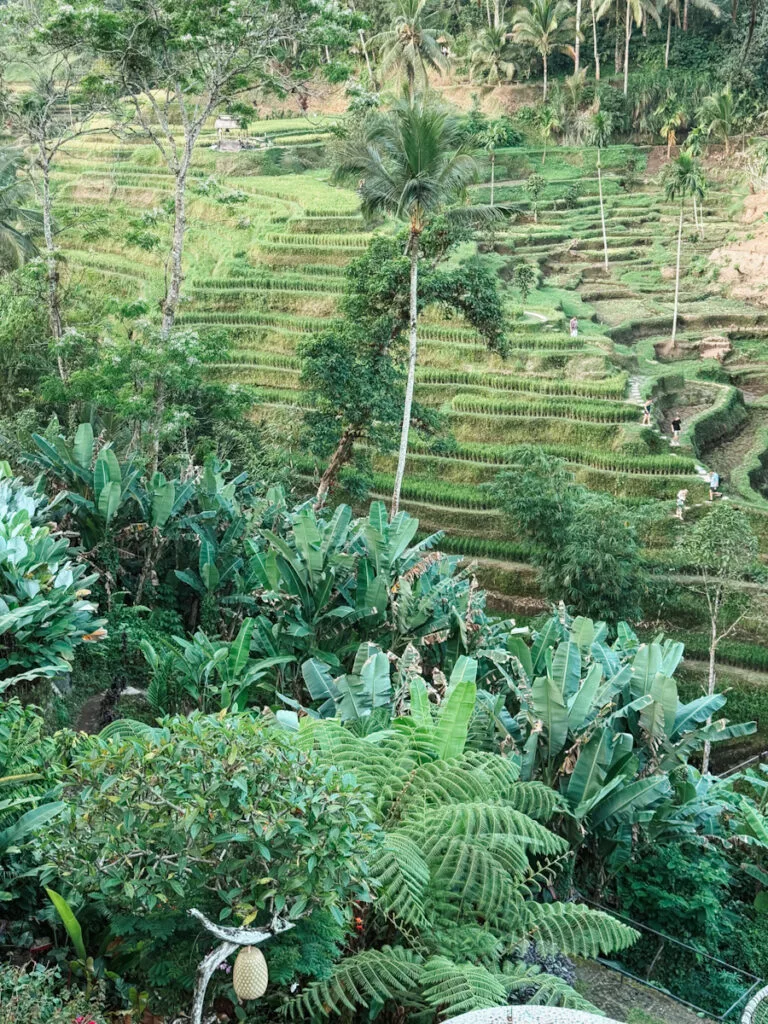
No.
This is actually an important distinction.
I don’t think Bali is overrated. I think parts of Bali are overtouristed.
Overrated would mean the thing underneath all of the hype isn’t actually that special.
And I don’t believe that at all.
If anything, the fact that Bali is so special is what makes its overtourism so difficult to see.
Balinese architecture is exceptional.
The landscapes are beautiful.
The culture is fascinating.
The people I met were incredibly kind.
Balinese Hindu traditions make the island feel completely different from the other parts of Indonesia I visited.
There is something special here.
I just sometimes felt like tourism was getting in the way of it.
There Are Still So Many Parts of Bali I Want to Experience
Here’s another reason I’m hesitant to make some dramatic declaration that Bali isn’t worth visiting:
I haven’t seen all of Bali. Not even close.
Several people I talked to told me about quieter areas that still feel completely different from the major tourism hubs.
Places with fewer crowds.
Less development.
More nature.
More community.
Places they said reminded them of what some of Bali’s now-famous areas used to feel like before tourism exploded.
I haven’t personally visited enough of those places to tell you where the “real Bali” is—and honestly, I hate that phrase anyway. The Balinese people living and working in Canggu are no less Balinese because tourists moved in around them.
But those conversations made me want to return.
Not because I want to hunt down the next “hidden gem” and tell everyone about it.
Quite the opposite.
I want to experience more of the island slowly and intentionally.
I want to understand Bali beyond the version of it that is constantly shown online.
Why Bali Is Still Worth Visiting
After everything I just said, you might be wondering why I’m still telling you Bali is worth a visit.
There are a few reasons.
The Balinese People
People will almost always be one of my favorite parts of traveling.
And Indonesia had some of the most welcoming people I’ve met anywhere.
Bali was no exception.
Some of my favorite memories aren’t attached to an attraction at all. They’re conversations.
Those moments when you start asking someone questions, they start asking you questions, and suddenly an hour has gone by.
That is the kind of travel I love.
The Architecture
Balinese architecture alone is incredible.
The ornate gates, temples, family compounds, statues, carvings, and shrines make even a normal drive around the island interesting.
It genuinely feels distinct from other parts of Indonesia.
Balinese Hindu Culture
This was another reason I’m glad Bali was part of my Indonesia itinerary.
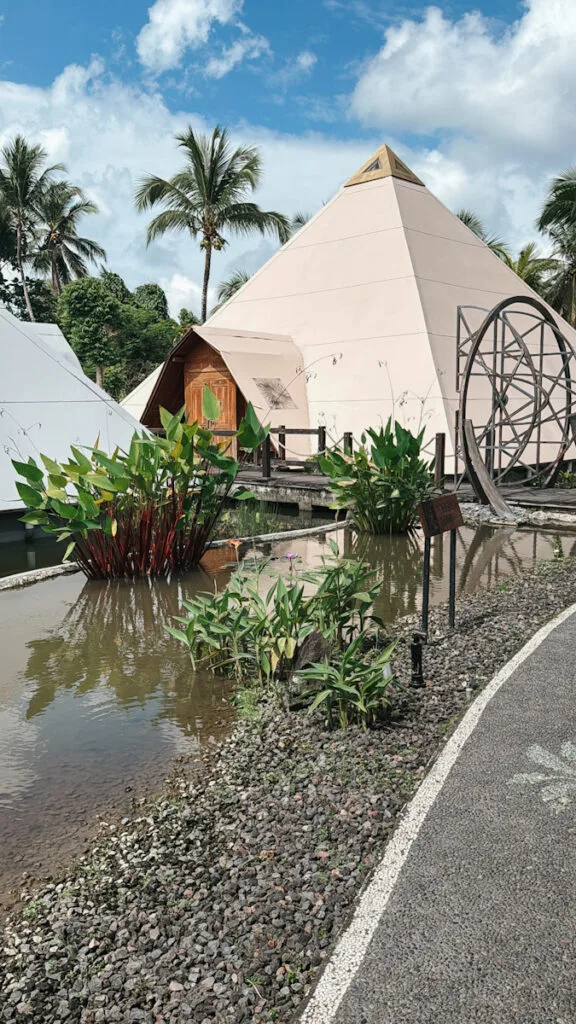
After traveling through Java, arriving somewhere where Hindu traditions were such a visible part of everyday life highlighted just how culturally diverse Indonesia is.
You could travel to Indonesia multiple times and have completely different experiences depending on which islands you choose.
I think that’s amazing.
The Wellness Experiences
Okay, I have spent a significant portion of this article criticizing tourism infrastructure, so I also have to acknowledge something:
Some of Bali’s tourist infrastructure is fantastic.
The wellness experiences were some of my favorite things I did there.
Massages.
Spas.
Beautiful spaces designed around slowing down.
Healthy food.
There is a reason Bali has become such a huge wellness destination.
And you don’t need to feel guilty for enjoying those things.
Responsible travel doesn’t mean refusing every experience created for tourists.
It means being more thoughtful about where your money is going and remembering that the destination exists beyond your vacation.
How I Would Visit Bali Differently
If I return to Bali—and I genuinely hope I do—there are things I would approach differently.
Spend less time in the biggest tourism bubbles
I would intentionally explore more of the quieter areas of Bali and spend longer in individual communities rather than bouncing between the places I’ve seen a hundred times online.
Choose locally owned businesses when I can
Hotels, restaurants, drivers, guides, shops, and experiences are all opportunities to put money directly back into the community you’re visiting.
You won’t be able to investigate the ownership structure of every smoothie bowl you buy.
That’s okay.
This doesn’t need to become an impossible purity test.
Just make an effort.
Talk to people
This is one of the easiest things you can do.
Ask your driver about Bali.
Talk to the person running your homestay. If you’re in Ubud, Ranggen Ubud held so much kindness for me when I was sick.
Learn someone’s name.
Ask where they like to eat.
Ask about traditions you don’t understand instead of making assumptions about them.
Some of the best things I’ve learned while traveling have happened because I was curious enough to ask a question.
Learn about Balinese culture before you arrive
Understand basic temple etiquette.
Learn what the offerings you see everywhere mean.
Understand that ceremonies are religious events, not performances created for tourists.
Learn a few words in Bahasa.
The more context you have, the more interesting the island becomes.
Remember that you’re visiting someone’s home
This is probably the biggest one.
Bali isn’t a theme park.
It isn’t a giant coworking space.
It isn’t an inexpensive tropical backdrop where we get to do whatever we want because we’re spending money.
People are raising families here.
Going to work.
Practicing their religion.
Dealing with traffic.
Paying rent.
Buying groceries.
Living their normal lives.
Being a good traveler starts with remembering that.
Please Don’t Visit Indonesia and Only See Bali
If you have enough time, this may be my biggest recommendation of all.
See more of Indonesia.
Bali is one tiny part of an incredibly diverse country.
And if Bali had been my only experience in Indonesia, I don’t think I would have fallen in love with the country in the way that I did.
Java completely surprised me.
The landscapes were some of the most unbelievable I’ve ever seen.
Standing near Mount Bromo at sunrise felt otherworldly and the highlight to my East Java tour.
Tumpak Sewu was enormous in a way photos absolutely do not capture.
Ijen was unlike anything I had done before.
And then Flores and Komodo felt completely different again.
–> If you’re planning a similar trip, my 3 weeks in Indonesia itinerary shows exactly how I combined Java, Bali, and Komodo.
I think experiencing several islands also gave me more appreciation for Bali.
Instead of walking away thinking, This is Indonesia, I could see Bali for what it was:
One fascinating piece of a much bigger country.
Is Bali Worth Visiting? My Final Thoughts
So, is Bali worth visiting?
Yes.
But it’s probably one of the most complicated yeses I’ve ever written on this blog.
Bali was not one of my favorite places I’ve traveled.
I struggled with the traffic, the overtourism, the development, and the feeling that certain areas were increasingly designed around foreigners rather than the people who call Bali home.
There were moments when I genuinely felt uncomfortable knowing I was participating in the tourism industry that I was questioning.
But I’m also really glad I went.
I’m grateful that I got to experience Balinese architecture and Hindu traditions.
I’m grateful for the conversations I had.
I’m grateful for the people who were willing to talk openly with me about how Bali is changing.
And yes, I thoroughly enjoyed the wellness experiences too.
I would go back.
I just want to go back differently.
I want to see more of Bali outside its biggest tourism centers. I want to move slower. I want to continue learning about the culture. And I want as much of the money I spend as possible to benefit the people whose home I’m fortunate enough to visit.
Ultimately, I don’t think Bali is overrated. I think Bali has been loved almost to a fault.
And maybe the answer isn’t to stop loving it.
Maybe we just need to become a lot more thoughtful about the way we do it.
Go to Bali because you want to experience Bali.
Not because you want Bali to become somewhere else.